
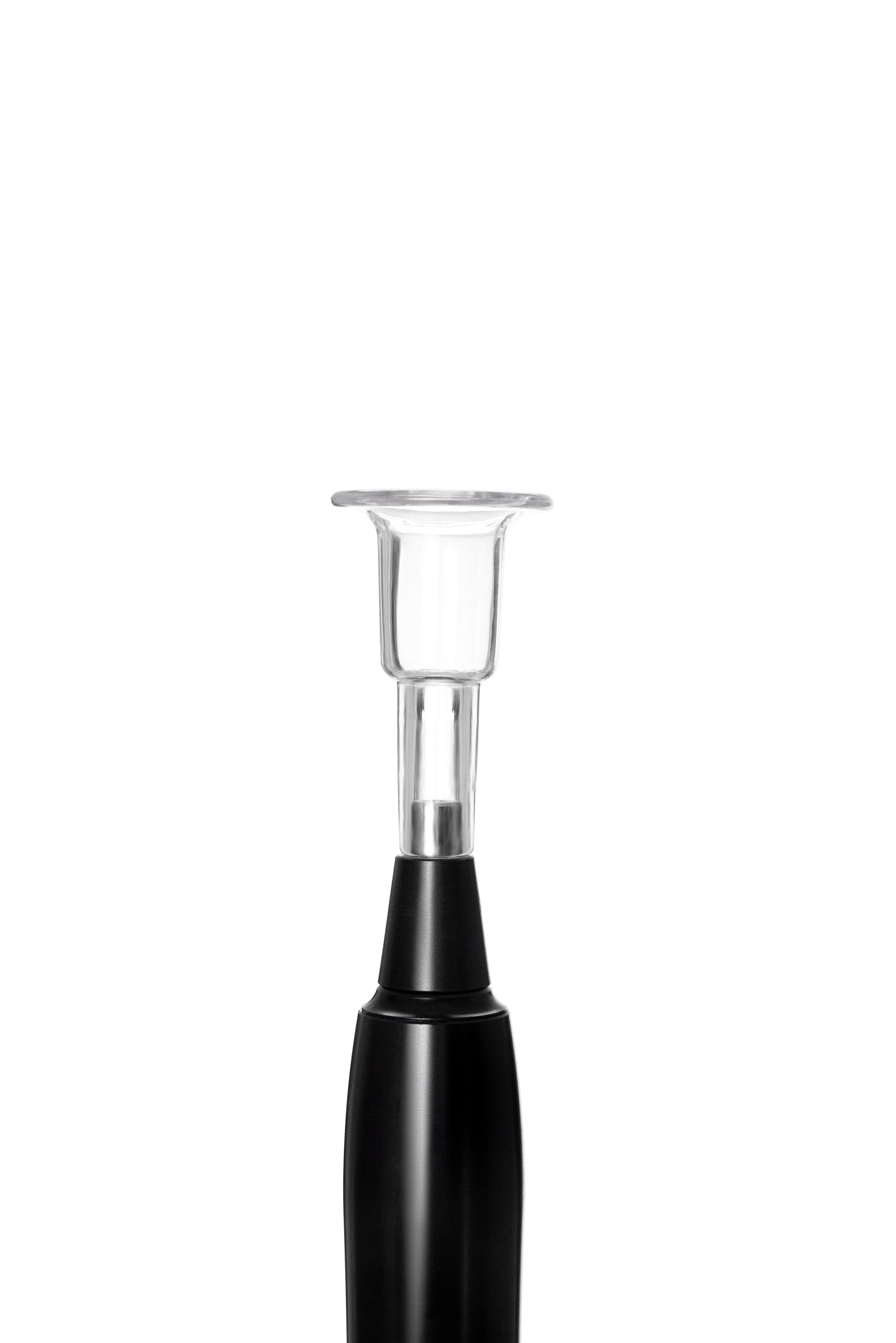
Scalp Plasma
40–45°C argon plasma with a wider contact surface. Reusable for approximately 8–10 sessions with proper cleaning and disinfection.
Global distributor inquiries are now open.
Partner With UsApplication
A sectioned, parting-based scalp protocol designed to read the scalp zone by zone using a dedicated scalp applicator. The protocol is built around the practitioner's hair and scalp routine, never against it.
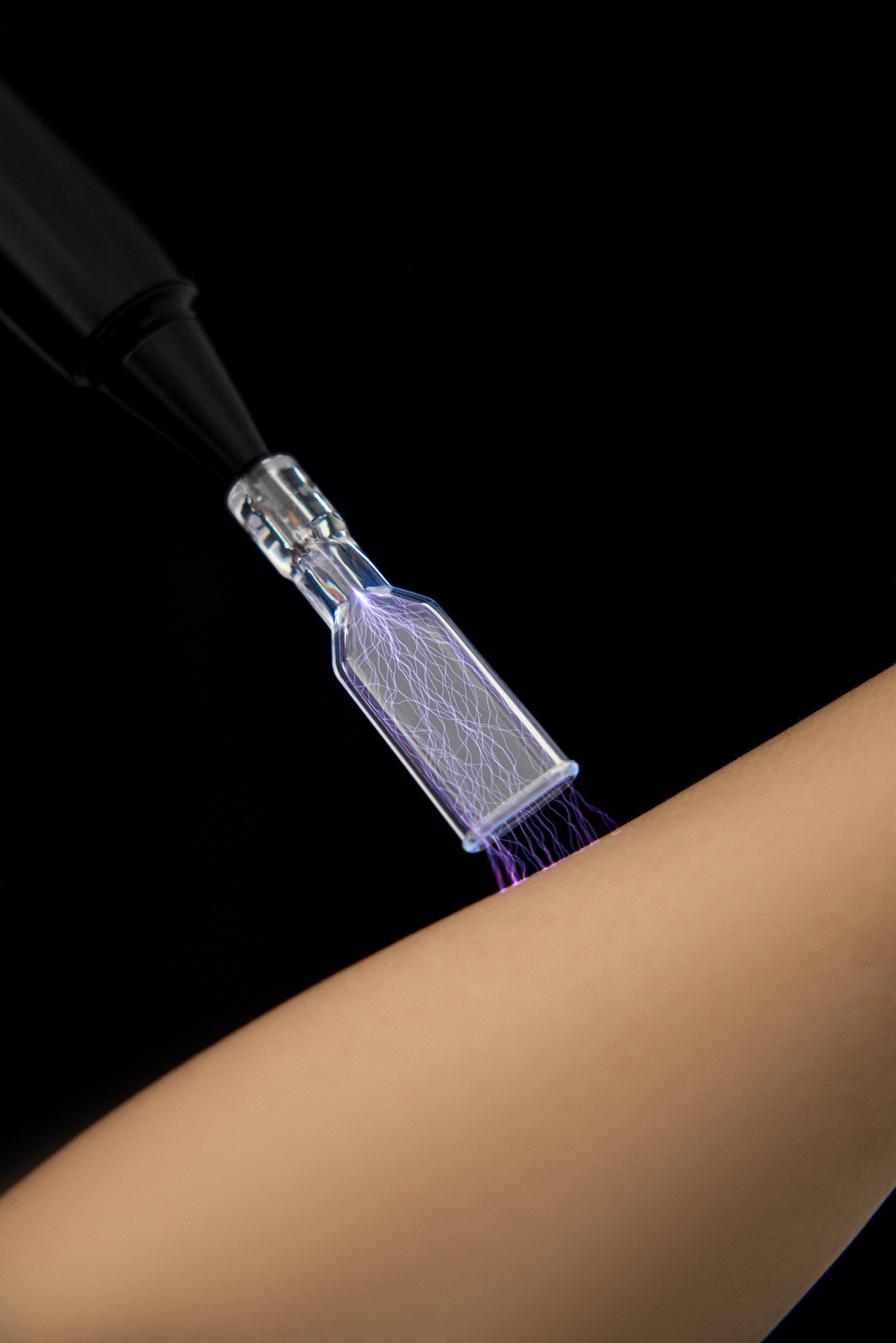
Professional care objective
The objective is to address the sebum and comfort signals that an oily or product-buildup-prone scalp actually shows - across the crown, the parting and the hairline - using a dedicated scalp applicator and a section-by-section movement pattern.
Suitable client profile
Clients already inside a professional hair or scalp routine who want a sectioned scalp protocol that complements it. The protocol assumes the hair is dry and sectioned.
Workflow overview
The protocol reads the scalp as a topography. Sections are planned so the scalp applicator reaches the parting, the crown, the hairline and behind the ears without lifting the hair between passes.
Inspect the crown, the parting, the hairline and behind the ears. Note where sebum, buildup or comfort signals are the main concern.
Section and part the dry hair so each zone can be reached without disturbing the others. The sectioning pattern is the key repeatability tool.
The dedicated scalp applicator is fitted. Its profile is what allows the pass to reach the scalp without sitting on the hair.
Work each section at a consistent distance and pace. The practitioner reverses the sectioning order between visits to avoid missing the same zone twice.
Finish with the practice's normal conditioning step. The scalp applicator is cleaned and returned at the end of the session.
Sectioning patterns, working distances and cleaning of the scalp applicator are covered in the practitioner training.
Recommended applicators
The dedicated scalp applicator is shaped to work on parted, sectioned hair so the plasma reaches the scalp rather than the hair. Standard applicators sit on the hair and do not reach the scalp the same way.
40–45°C argon plasma with a wider contact surface. Reusable for approximately 8–10 sessions with proper cleaning and disinfection.
Treatment demonstration
A short, muted clip showing sectioning, the scalp applicator in use, and the section-by-section pass.
Expected cosmetic experience
Clients describe the protocol as light and methodical, with the scalp feeling refreshed rather than stimulated afterwards. The visit feels different from a standard hair or scalp service because of the sectioning.
Frequently asked questions
No. No hair regrowth, hair-loss prevention or hair-density claim is made. The protocol supports a refreshed, comfortable-looking scalp environment.
Standard applicators sit on the hair rather than reaching the scalp. The scalp applicator is shaped so the plasma reaches the scalp through parted, sectioned hair.
Dry, sectioned hair. Wet hair collapses the parting and makes consistent section-by-section work harder. The practitioner confirms the sequence.
Yes, and it usually is. The protocol fits in front of the practice's normal conditioning step rather than replacing it.
Intended for professional cosmetic use. Regulatory status and permitted claims vary by market.
Tell us which application you are interested in and we will send the relevant product information, applicator notes and training details.