
HyperPlasma
30–35°C argon plasma. Reusable for approximately 8–10 sessions with proper cleaning and disinfection.
Global distributor inquiries are now open.
Partner With UsApplication
A targeted protocol for oily, congested and post-acne-prone skin. The practitioner reads the face by sebum zone rather than treating it as one surface, working the T-zone, chin and post-acne areas in sequence and finishing on a calming step.
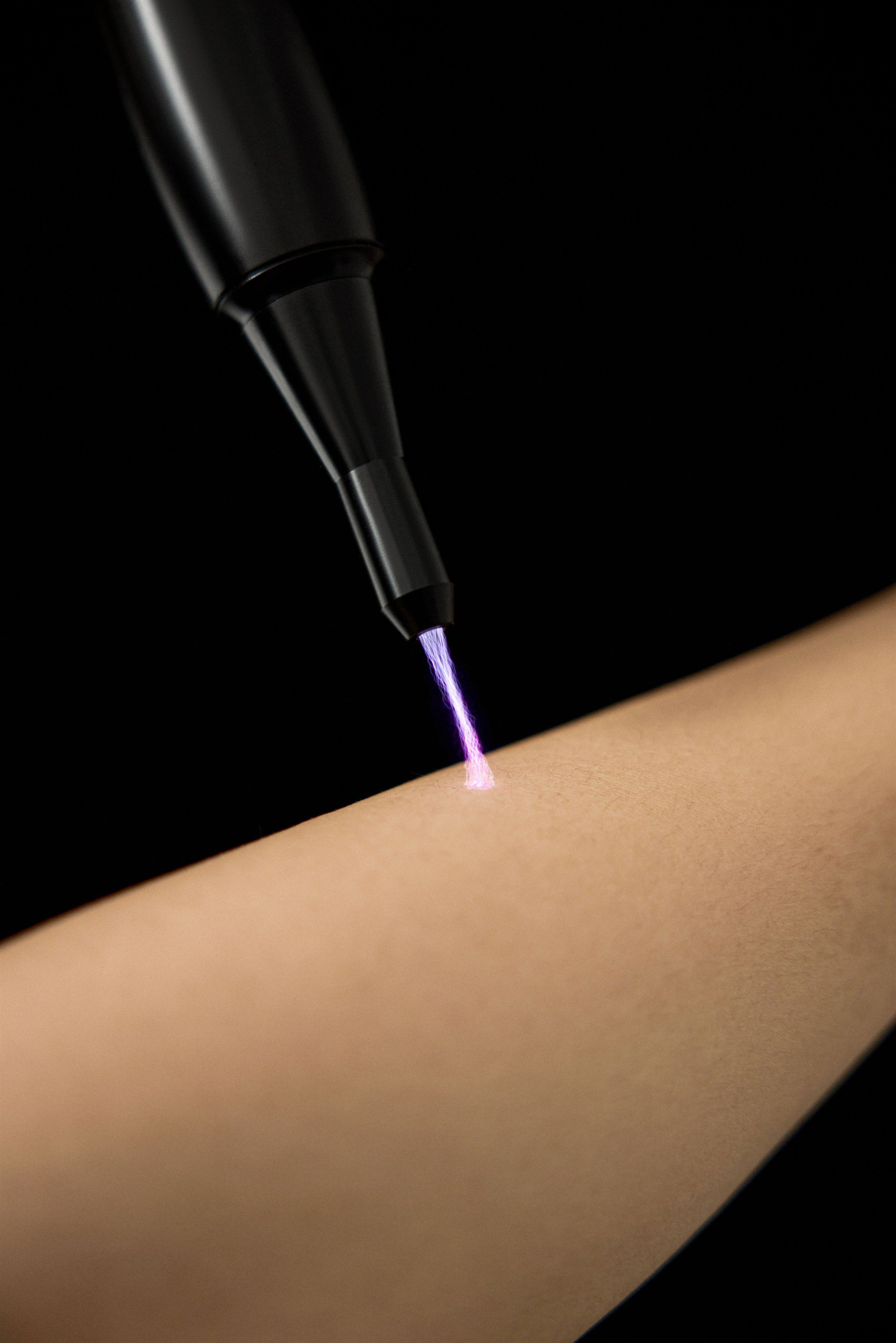
Professional care objective
The objective addresses what an oily or post-acne-prone complexion actually shows: surface sebum, visible pores and the residual marks that linger after a breakout. The protocol is built around those three signs, not around a generic appearance refresh.
Suitable client profile
Clients with oily, combination or post-acne-prone skin who want a professional cosmetic protocol that targets sebum and pores without aggressive resurfacing or medical claims.
Workflow overview
Sebum load and pore density vary across the face, so the protocol reads the face as a topography: sebum-heavy zones first, pore and post-acne zones second, calming across the whole face last.
Identify sebum-heavy areas (T-zone, chin) and mark the pore or post-acne zones that need slower work. Record the plan and the working sequence.
Lift surface residue and sebum so the protocol starts from a consistent baseline. No harsh exfoliation is used.
A precision or broad applicator is selected by zone. Cold plasma is the default mode for this protocol.
Sebum-heavy areas are worked first in consistent passes; residual marks and pore-prone areas follow at a closer distance and a slower pace.
Finish with a calming pass across the whole face. Settings and observations are documented for the next session.
Zone timing, working distances and the calming step are covered in practitioner training and are not published here.
Recommended applicators
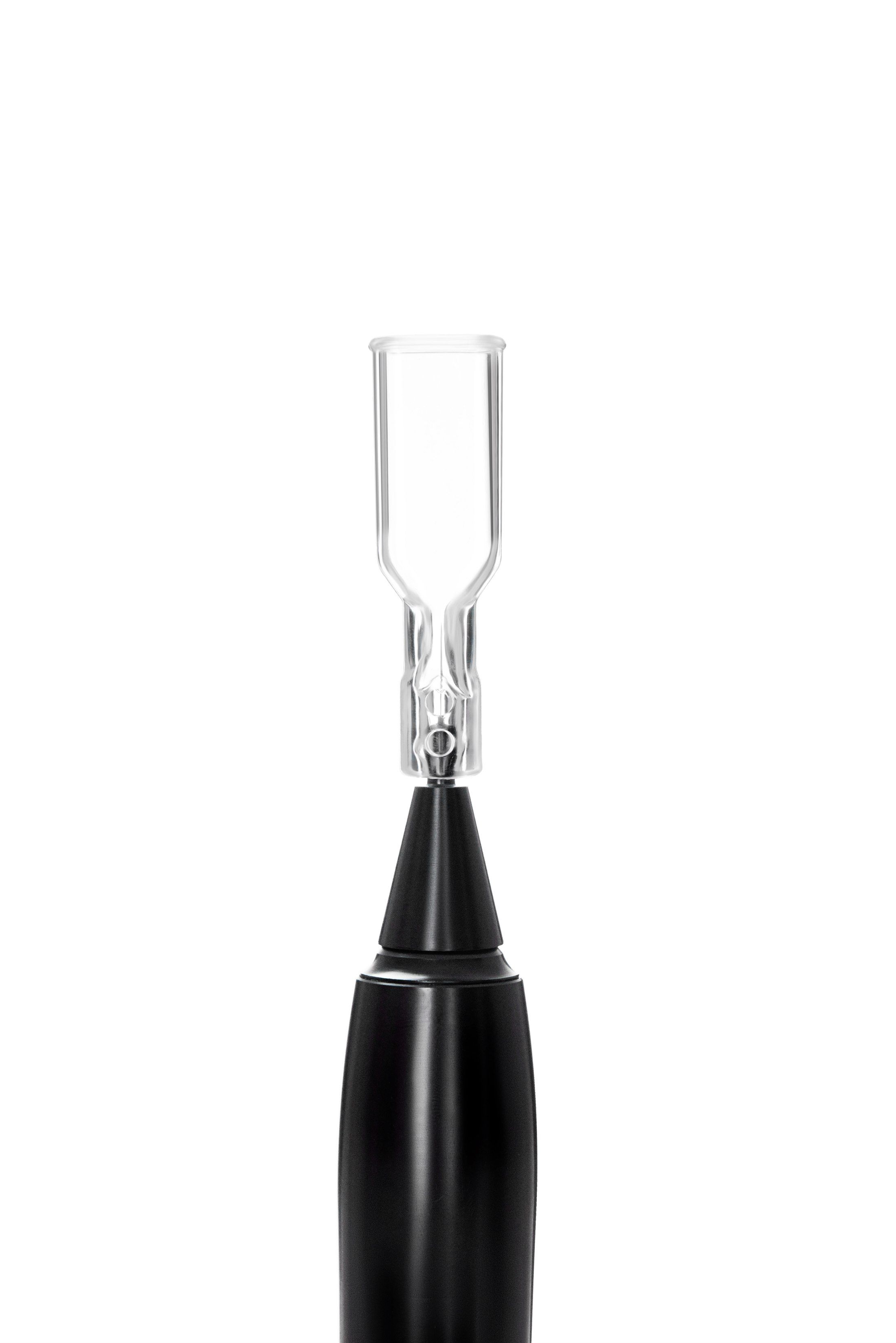
A precision applicator reaches congested zones (nose, chin); a broad applicator covers the T-zone; a contour applicator handles the cheek and jawline. For active blemishes and localized inflammation the needle-free point applicator is used, because it concentrates the discharge without contact.
30–35°C argon plasma. Reusable for approximately 8–10 sessions with proper cleaning and disinfection.
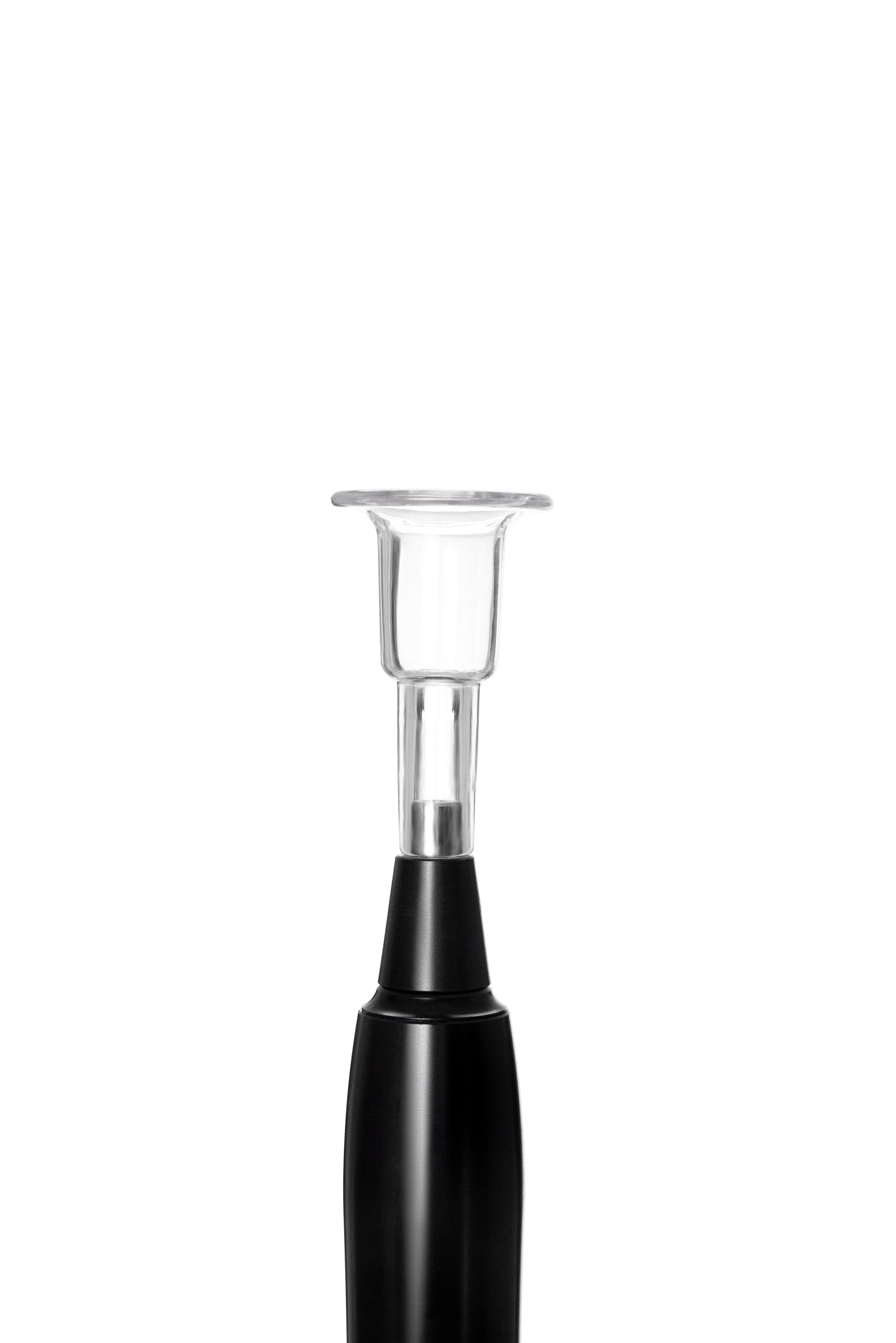
40–45°C argon plasma with a wider contact surface. Reusable for approximately 8–10 sessions with proper cleaning and disinfection.
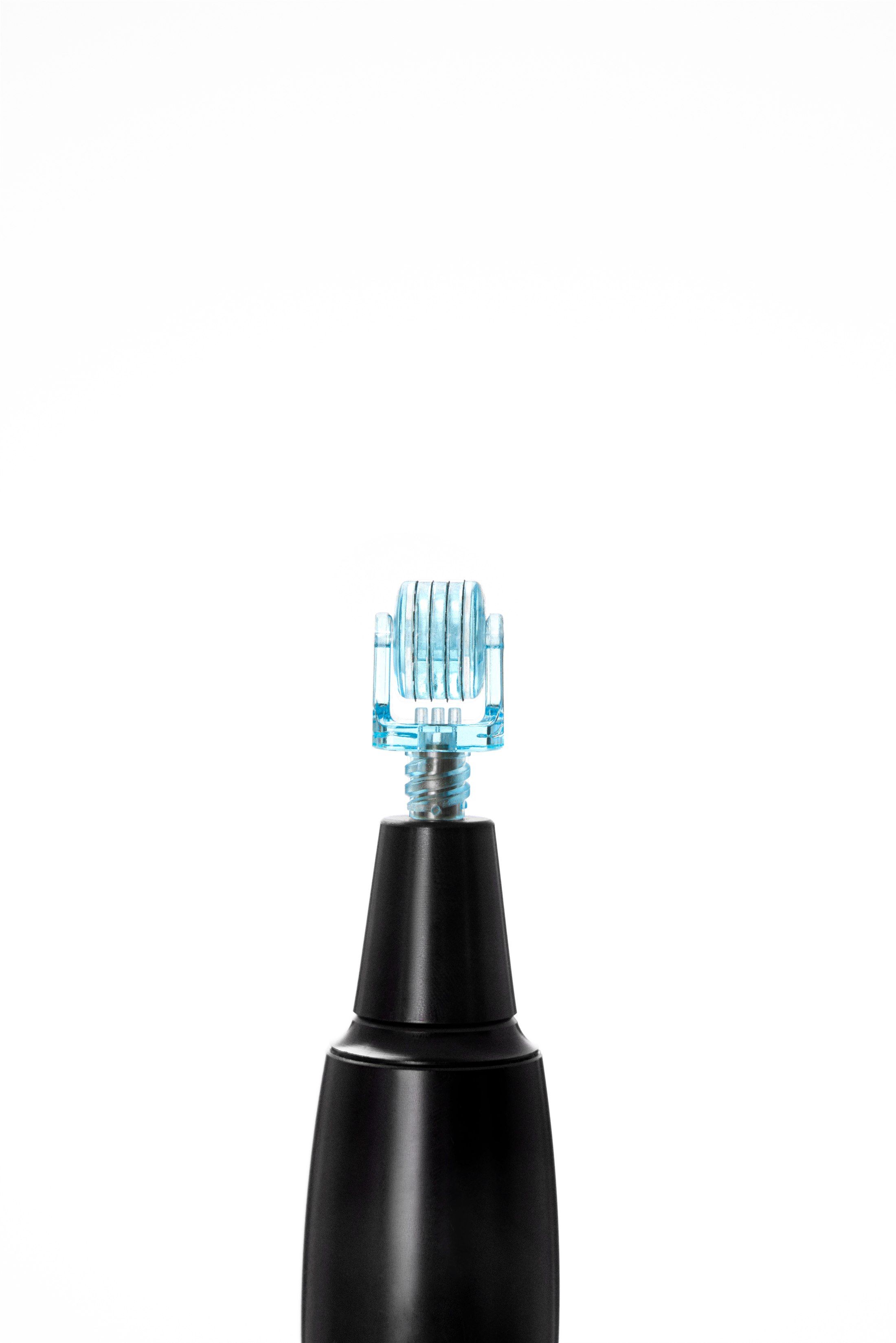
80–140°C argon plasma with short-needle micro-stimulation. Single use per client.
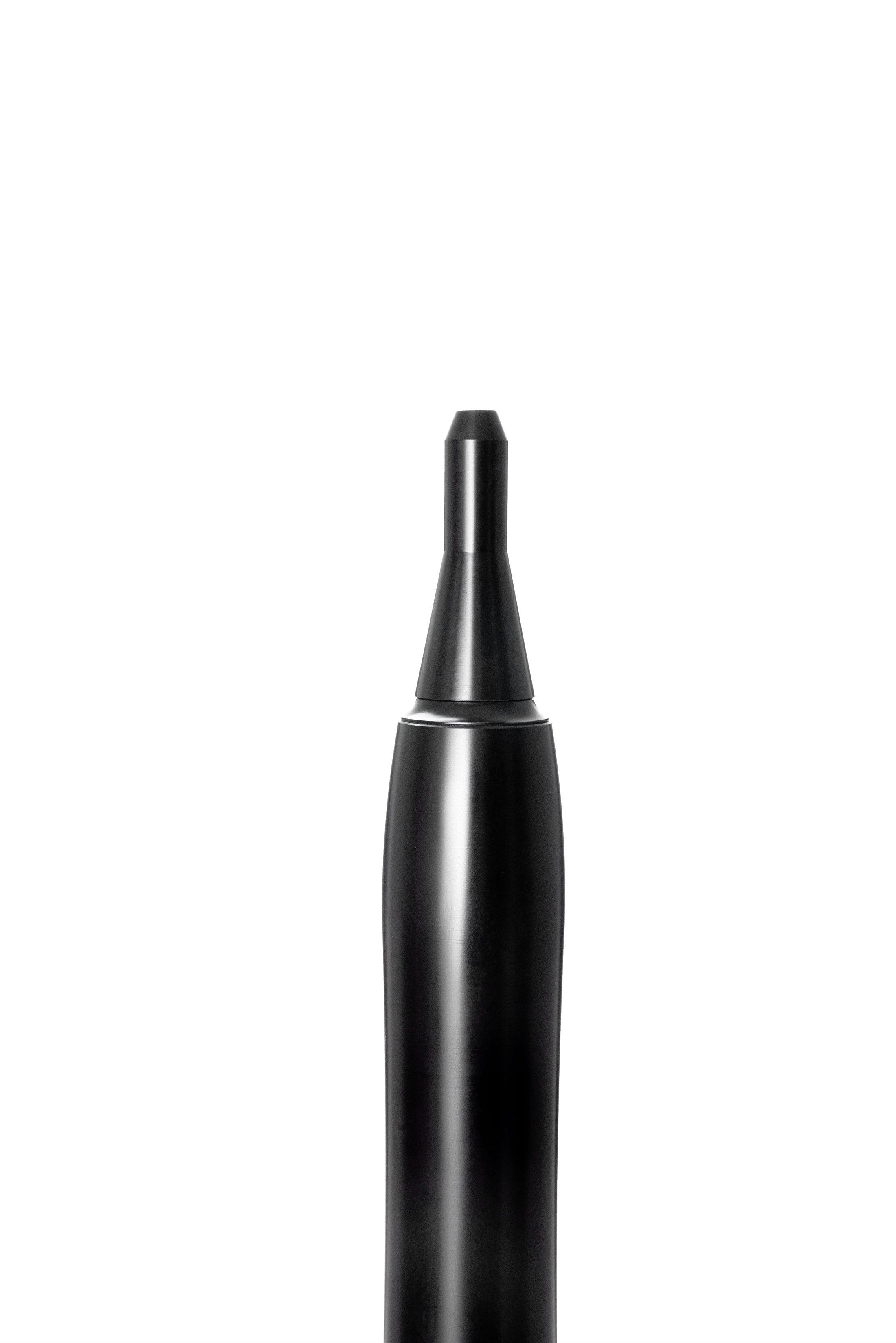
50–70°C argon plasma; concentrated, needle-free discharge. Reusable for approximately 20–30 sessions with proper cleaning and disinfection.
Treatment demonstration
A short, muted clip showing the sebum-aware, zone-by-zone movement pattern.
Expected cosmetic experience
Clients describe a light, cooling sensation with a sense of clarification rather than heat. Skin typically looks less shiny in the T-zone immediately afterwards, with a calmer-looking finish across the rest of the face.
Frequently asked questions
No. The protocol addresses surface sebum, visible pores and the residual look of post-acne marks. Active lesions and inflamed acne need medical review, not a cosmetic protocol.
It is a sebum- and pore-focused protocol with its own movement pattern across the T-zone and cheek areas, planned as a series rather than a single visit.
Sensitive skin tolerates the protocol differently from oilier skin. The practitioner adjusts the parameters and the sequence after assessment.
A maintenance schedule is agreed after the first series, based on the client's sebum pattern and lifestyle. The interval is documented in the client record.
Intended for professional cosmetic use. Regulatory status and permitted claims vary by market.
Tell us which application you are interested in and we will send the relevant product information, applicator notes and training details.