
HyperPlasma
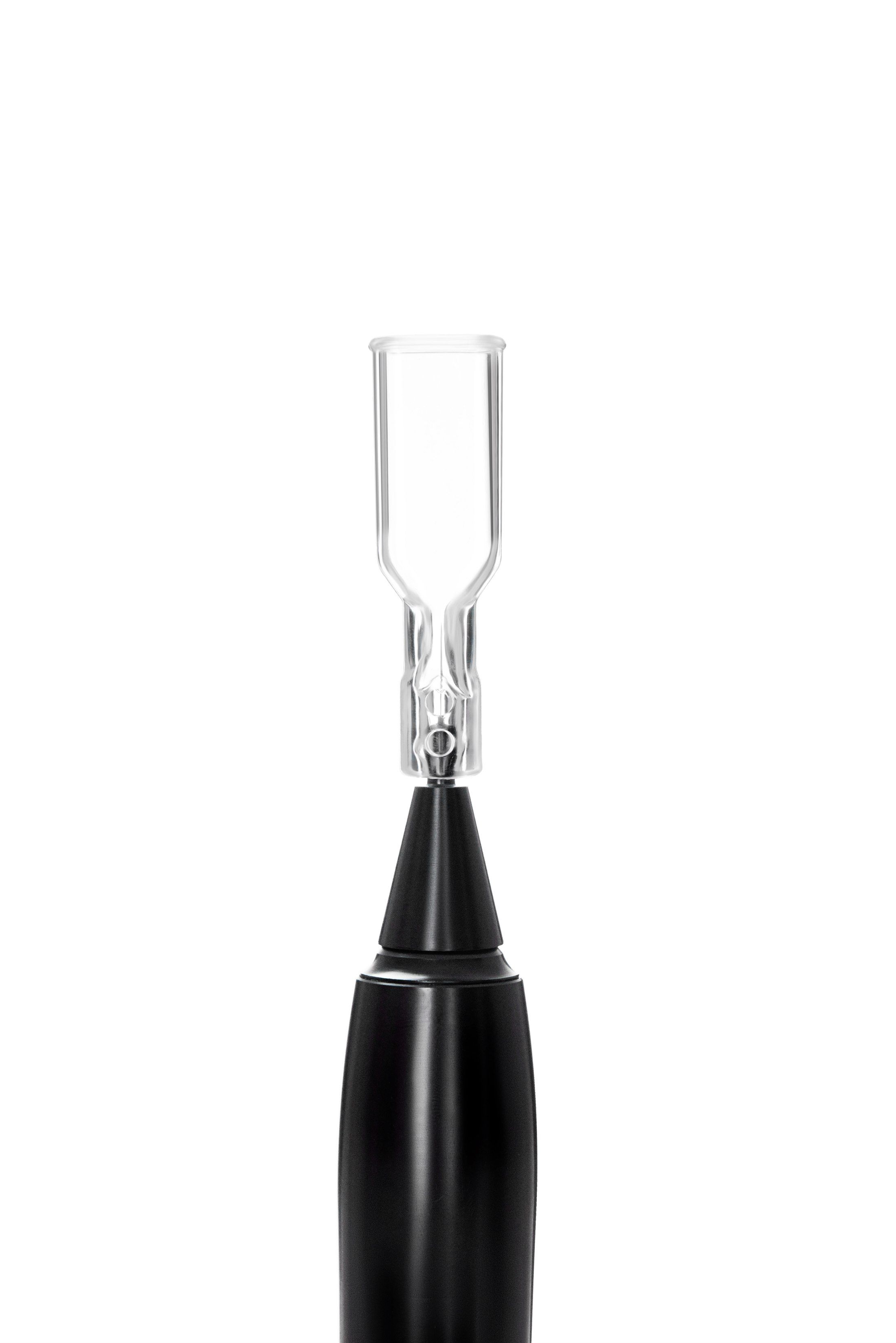
30–35°C argon plasma. Reusable for approximately 8–10 sessions with proper cleaning and disinfection.
Global distributor inquiries are now open.
Partner With UsApplication
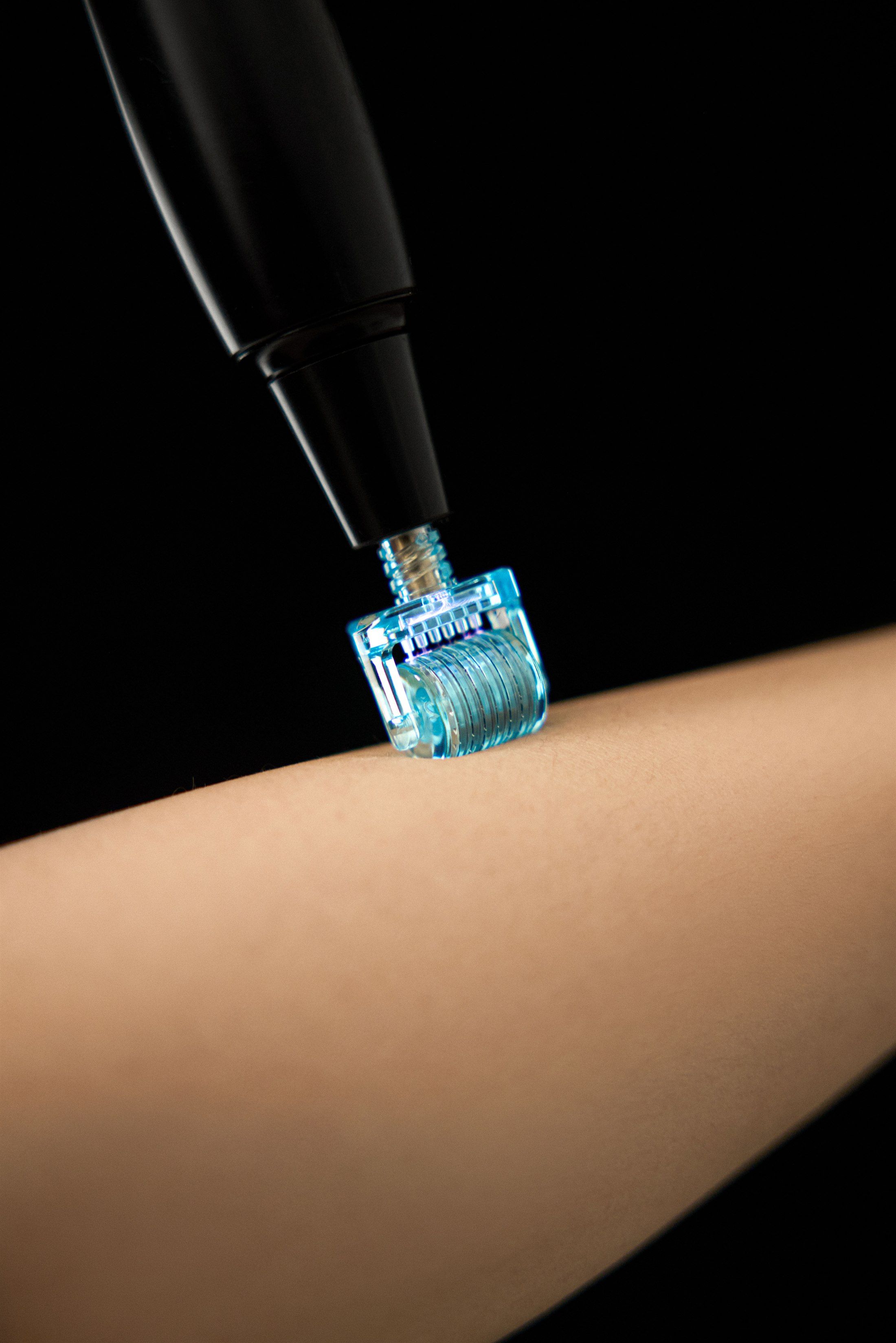
A deliberately low-intensity protocol for clients whose skin needs a calming intervention between or after selected professional services. Conservative settings, short passes and continuous check-ins are the design, not a relaxation option.
Professional care objective
The objective is to provide a professional cosmetic protocol that supports a calm, settled-looking complexion between or after selected services - without the intensity of an active treatment and without replacing the aftercare routine itself.
Suitable client profile
Clients who are already inside a professional aftercare plan and want an extra calming step alongside it. Always practitioner-assessed, never self-prescribed.
Workflow overview
The protocol is shorter and lighter than the active protocols, with the practitioner checking the area before, during and after each pass. Comfort is the gating signal throughout.
Confirm the timing relative to any other recent service and the client's daily routine. The protocol only runs if the practitioner agrees the timing is right.
Lower plasma intensity and a soft-profile applicator. Settings are always at the lower end of what the practitioner can justify.
Two or three short passes across the area, with the practitioner checking comfort and skin response between passes.
Finish with the agreed aftercare routine. The client leaves with the same aftercare guidance they would have received without the protocol.
Where the practitioner has any doubt about suitability or timing, the protocol is not performed. Clinical judgement always comes first.
Recommended applicators
A soft-profile or precision applicator is used to keep contact light and the working area small. Stronger applicators are deliberately avoided.
30–35°C argon plasma. Reusable for approximately 8–10 sessions with proper cleaning and disinfection.
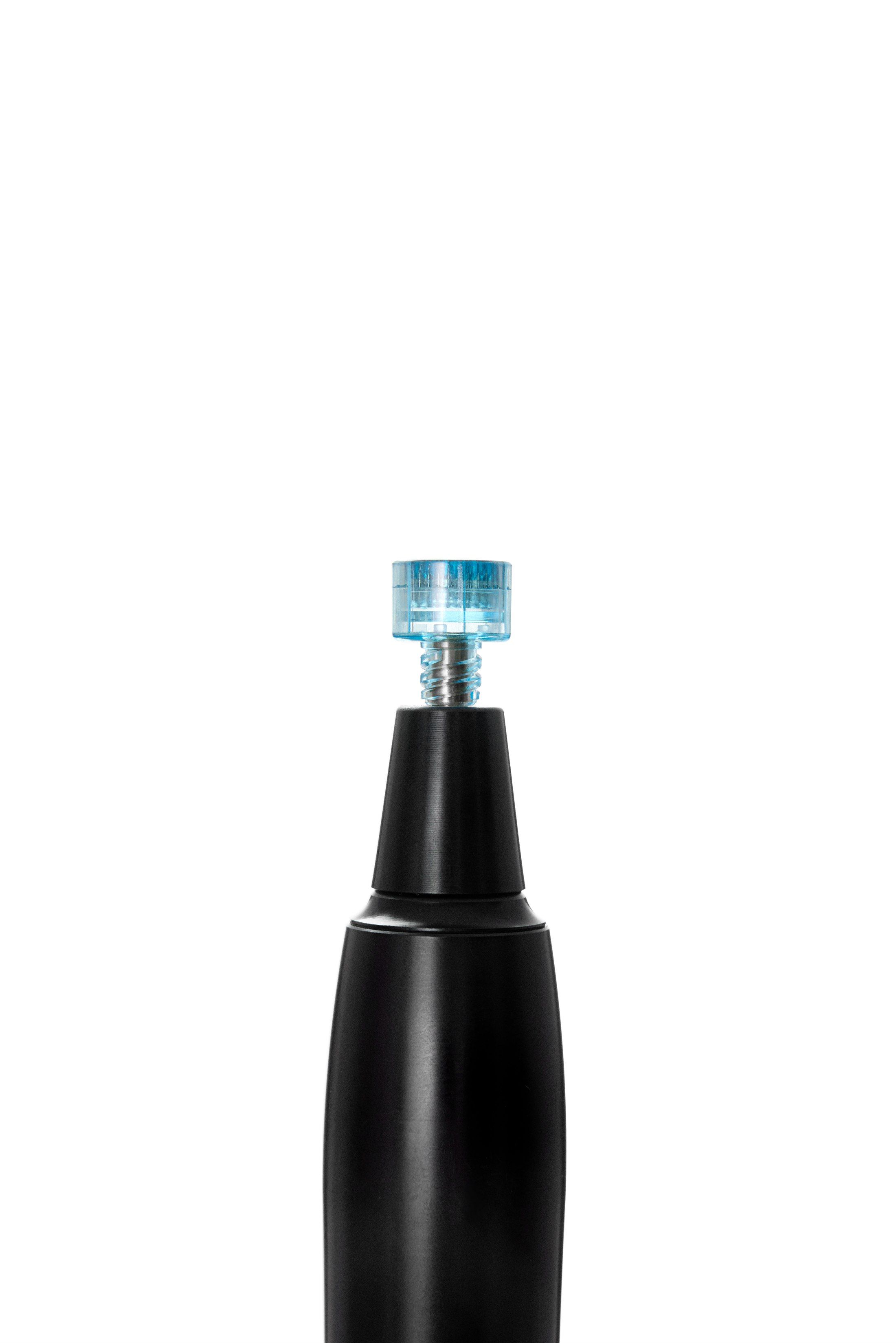
80–140°C argon plasma with short-needle micro-stimulation. Single use per client.
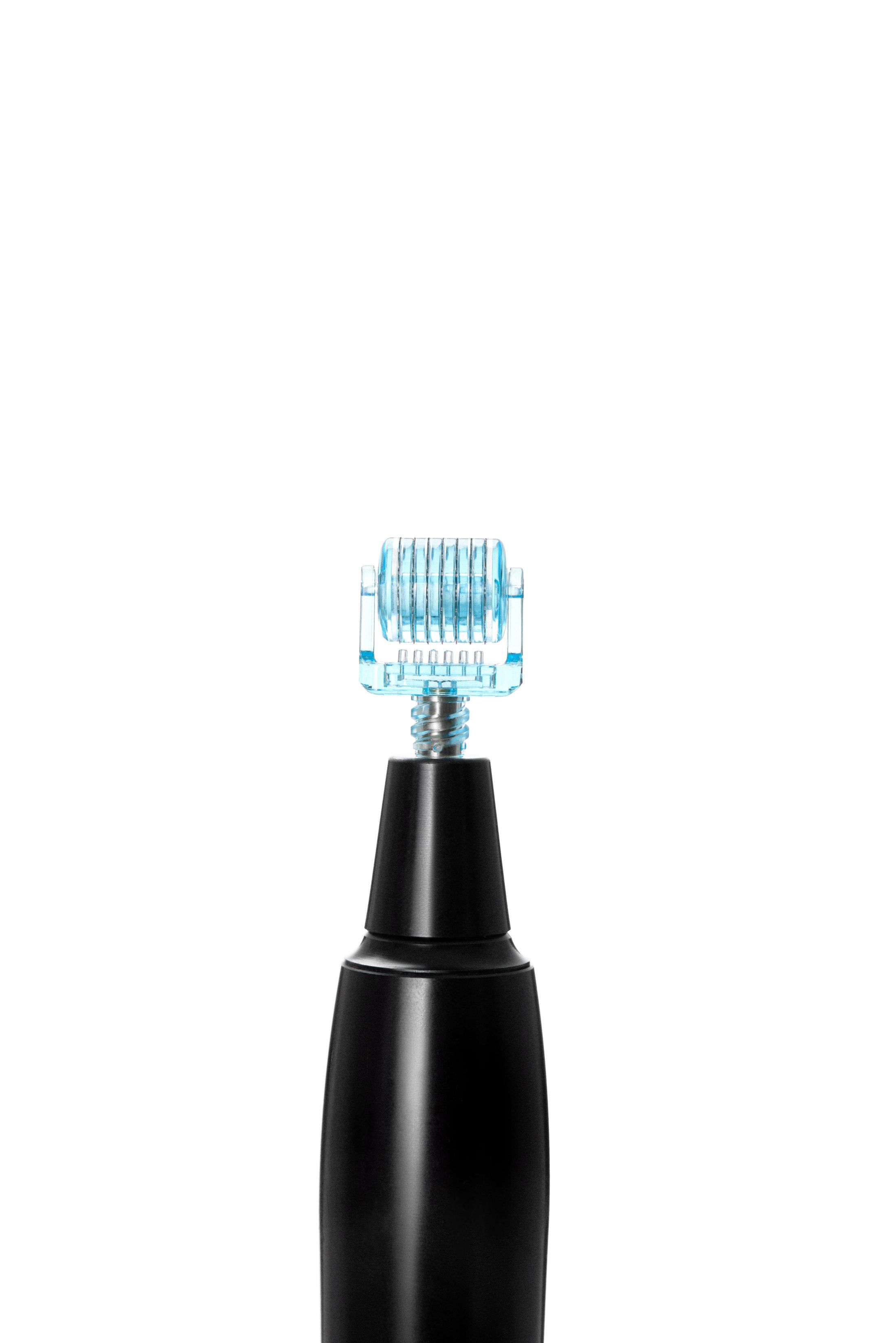
80–140°C argon plasma with short-needle micro-stimulation. Single use per client.
Treatment demonstration
A short, muted clip showing the conservative pass and the practitioner's check-in timing.
Expected cosmetic experience
Clients describe the protocol as light and quiet. The session is shorter than the active protocols, with skin feeling settled rather than worked afterwards.
Frequently asked questions
No. It is a professional cosmetic protocol intended to complement an aftercare routine. It does not heal wounds and is not a substitute for medical aftercare.
Timing is decided by the practitioner performing the service. Most teams schedule this protocol at the standard aftercare review point, not earlier.
The protocol is not performed. The practitioner will document the reason and recommend a non-plasma aftercare visit instead.
No. It is complementary to the aftercare routine the practitioner has already given you, never a replacement.
Intended for professional cosmetic use. Regulatory status and permitted claims vary by market.
Tell us which application you are interested in and we will send the relevant product information, applicator notes and training details.